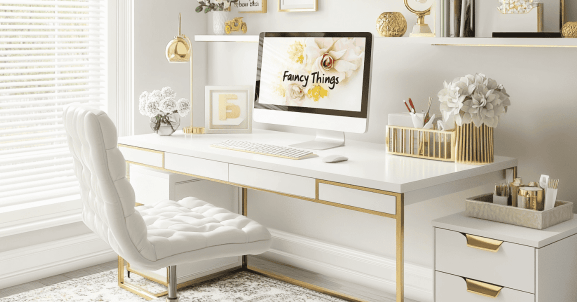

A clear starting point is a fast clutter sweep, then a category-by-category assessment of items by type and use. Quantify access frequency to guide storage choices, and favor modular, transparent solutions that scale. Add vertical and multifunction pieces to save floor space, with careful cable management and labeled wires. Establish daily routines with start/end cues and batch tasks to sustain focus. The approach sets a practical path, but the next steps reveal how to implement it effectively.
How to Assess Your Current Home Office Clutter
To assess current home office clutter, begin with a quick sweep of the space to identify immediate obstacles to workflow, such as piled papers, overflowing drawers, or unused devices.
The process then shifts to categorizing items, noting frequency of use, and estimating storage needs.
This step clarifies assess clutter and identify priorities, enabling targeted, freedom-based organization decisions.
Smart Storage Solutions That Fit Any Space
Smart storage can transform any workspace by maximizing function without sacrificing floor space. This approach emphasizes modular, clear solutions that adapt to varied rooms. Space optimization ideas center on vertical stacking, concealed bins, and multifunction furniture. Organizational hacks focus on labeling, rotation, and reserve shelves. Freedom-minded design favors uncluttered aesthetics, efficient flow, and durable components that scale with changing needs.
Cable Management Hacks for a Clean Desk
Cable management is essential for a clean desk, reducing clutter and improving focus.
The guide recommends a practical setup: position cables along edges to minimize visibility, use cable routing channels, and group wires with labeled ties.
Determine power strip placement for accessibility and safety, keeping outlets reachable without stretching.
Regularly inspect cords, replacing damaged segments to preserve a tidy, productive workspace.
Daily Routines to Maintain a Calm, Productive Zone
Daily routines shape a calm, productive zone by establishing consistent, low-friction steps that minimize decision fatigue.
In daily practice, the plan emphasizes clear start/end cues, simple task batching, and minimal interruptions.
The approach fosters calm routines and a productive zone, enabling steady progress with deliberate, repeatable actions.
It supports freedom by reducing complexity and preserving focus throughout work sessions.
Frequently Asked Questions
How Often Should I Purge Sentimental Items From My Desk?
In practice, it recommends periodic reviews—every few months—to purge sentimental desk items. The process supports minimalist storage and emotional decluttering, balancing sentiment with function; purge when items impede workflow, space, or calm, sustaining freedom through intentional choices.
What Budget-Friendly Desk Upgrades Boost Productivity Fast?
Budget-friendly desk upgrades deliver quick wins: improve cable management, add a lamp, swap to a standing mat, adopt a dual-monitor setup, and optimize seating. Productivity boosters emerge from orderly surfaces, accessible supplies, and deliberate workflow zoning for freedom-loving users.
Which Apps Best Track Tasks and Deadlines for Home Offices?
Best task trackers and deadline reminders: the most practical apps support tagging, calendars, and notifications, enabling flexible workflows. They help the user manage priorities, maintain momentum, and preserve autonomy while coordinating responsibilities across home-office projects.
See also:The Importance of Blockchain Transparency
How Can I Create a Dedicated Quiet Zone for Focus?
A calm hush settles as the plan unfolds: a quiet zone is created with deliberate desk layout, targeted acoustic treatment, and a thoughtful lighting plan, guiding focus through discipline, while freedom-minded users sustain productive, distraction-free work environments.
What Color Palettes Reduce Visual Clutter in Small Spaces?
Soft neutrals with cool accents minimize clutter, while warm neutrals and bright accents can define zones; combine pale walls, restrained furniture, and selective color pops to maintain calm, legible visuals, supporting a freeing, focused small-space workflow.
Conclusion
In sum, the home office can evolve with deliberate, repeatable steps: sweep clutter, categorize by type and use, and store items by access frequency. Modular, clear, vertical solutions plus multifunction furniture maximize space, while cable management and labels keep the desk calm. Daily routines with start/end cues and batch tasks sustain momentum. If readers fear complexity, they should start with one shelf or drawer, then scale, proving small wins compound into lasting productivity.


 By
By